The Mysterious Aspect of E-Commerce: Understanding Dark Web Marketplaces
The rise of e-commerce has revolutionized the way we buy, providing simplicity and access to a reportedly endless array of items and offerings. However, this online marketplace also has a obscure counterpart known as darkweb markets. Operating underneath the surface of the internet, these hidden platforms offer a range of items—some lawful but many illicit—that cater to a variety of clients.
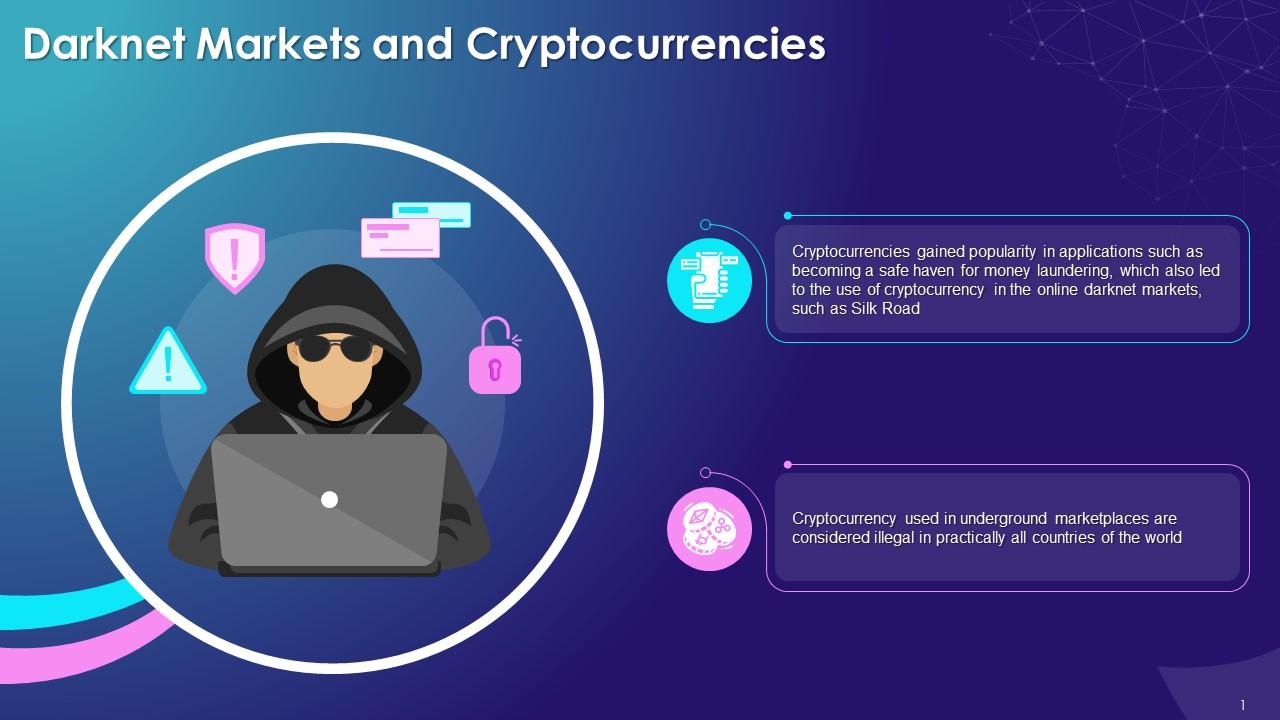

Delving into the realm of the darknet reveals not only the allure of anonymity but also the sinister motivations behind these deals. From criminal drugs and stolen credentials to counterfeit currencies and dangerous arms, darkweb markets create a specific ecosystem where regulations are few and risk is significant. Recognizing the dark side of e-commerce involves examining these covert markets and recognizing their influence on communities.
Introduction of Dark Web and its Features
The dark net refers to a section of the web that is not cataloged by traditional search tools and requires specific applications to access. Most commonly associated with the Tor network, the darkweb provides a venue where users can explore and communicate in secret. This privacy attracts diverse users, including those who wish to safeguard their privacy, as well as those engaged in unlawful activities. The dark web operates distinctly of regular web protocols, making it a hotbed for both constructive and negative interactions.
Darknet markets are websites located within the dark web that enable the sale of merchandise and items, often involving unlawful or prohibited goods. These markets function in a manner akin to e-commerce sites but with a focus on anonymity and safety. Users can buy various items, including controlled substances, firearms, and stolen information, usually using virtual currencies to further obscure their identities. The structure of these platforms allows for user ratings and evaluations, creating a level of trust among buyers and sellers despite the unlawful nature of the sales.
The operation of dark web markets is heavily reliant on coding and decentralization, which helps to safeguard the identities of both buyers and sellers. Access to these platforms is typically granted through dedicated software like The Onion Router, which hides user behavior. This system not only ensures confidentiality but also complicates police efforts to monitor and control activities within these areas. Despite their illicit nature, dark web platforms exhibit a special economy characterized by a range of products and an evolving set of problems for authorities trying to combat the illicit trade.
Risks and Risks of Dark Web Markets
Involvement with darkweb markets exposes users to a wide array of dangers, primarily due to the anonymous nature of these platforms. Participants frequently engage in illegal transactions, which can result in severe legal consequences if discovered. Law enforcement agencies actively monitor darkweb activities, and being caught purchasing illicit goods can result in prosecution. This shadowy marketplace thrives on anonymity, but this very feature can render users easier targets for scrutiny.
Another notable danger is the potential for scams and scams. Many vendors on darkweb markets are not reliable, frequently using false identities to sell non-existent products. darknet links can quickly lose their funds without any way of recourse, as standard consumer safeguards do not exist in this space. Additionally, poorly managed market sites may vanish overnight, absconding with users' money and personal information with them, creating a sense of insecurity among those who take the risk to engage with these markets.
Additionally, the threat of encountering harmful or dangerous content is high on darkweb markets. Users may unintentionally stumble upon disturbing materials that can have psychological effects or derive from criminal activities. Furthermore, there is constantly a danger of being exposed to malware and hacking attempts, as bad actors may seek to take advantage of unsuspecting buyers. This overwhelming of presence of threats makes it critical for anyone considering participation with dark web markets to proceed with utmost care.
Legal Consequences and Law Enforcement Difficulties
The legal environment surrounding darkweb markets is intricate and constantly changing. Many activities conducted on these sites, such as narcotics distribution, firearms transactions, and identity theft, are prohibited in most jurisdictions. This creates a substantial challenge for justice departments, as they must navigate a mosaic of regulations that differ greatly between countries. The obscurity provided by the dark web makes difficult the recognition of criminals and the trial of crimes, making it challenging to establish jurisdiction and pursue legal actions.
Enforcement efforts are often impeded by the very nature of the dark web's architecture. Many marketplaces utilize cryptocurrencies to enable transactions, further concealing the identities of buyers and vendors. Additionally, these platforms are frequently hosted on servers that can be shifted or terminated swiftly, leading to a game of cat and mouse between law enforcement and vendors. The ephemeral nature of these sites means that while one might be taken down, others rapidly appear to replace it, perpetuating the loop of illicit activity.
Cooperation between cross-border law enforcement is crucial to combating dark web crimes. However, differences in jurisdictional structures and the issues with jurisdiction can lead to holdups and inefficiencies. As states work to improve their legal systems and resources to address these crimes, the constantly evolving methods employed by darkweb market operators remain a ongoing challenge. This persistent conflict highlights the requirement for strong legal systems and improved international cooperation to adequately address the shadowy aspects of online commerce.